
Applications
Built for the assets where heat is the failure mode.
Battery, ESS & charging areas
Coverage where nothing else is watching.
Battery rooms and ESS closets, e-mobility and e-bike rooms, forklift and tool charging, and EV-charging zones in parking garages.
These spaces rarely monitor the batteries directly, where problems start. IHTC lays continuous surface-temperature coverage across racks, stalls, and charging areas, with alerts that name the specific location showing abnormal heating. It operates as a supplemental monitoring layer alongside your code-required fire systems, and every reading is logged: an always-on temperature record for your board, your EHS program, and your insurer.
Start with an Evaluation Kit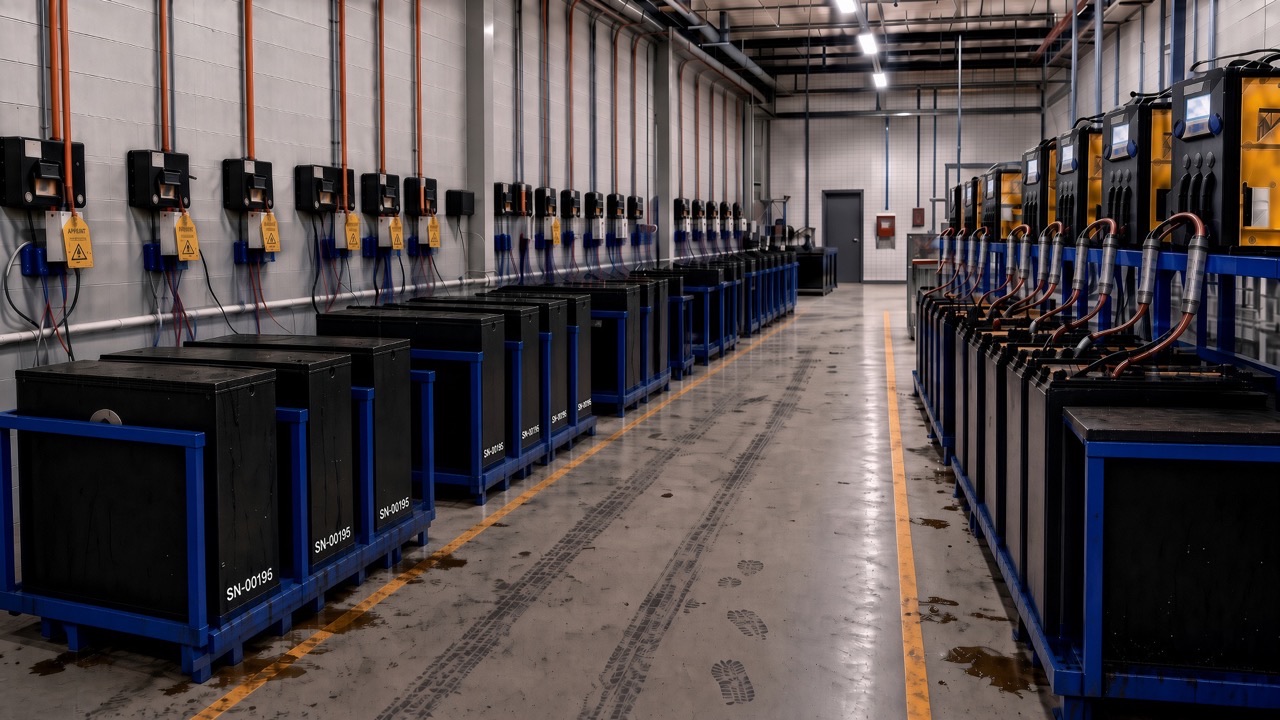
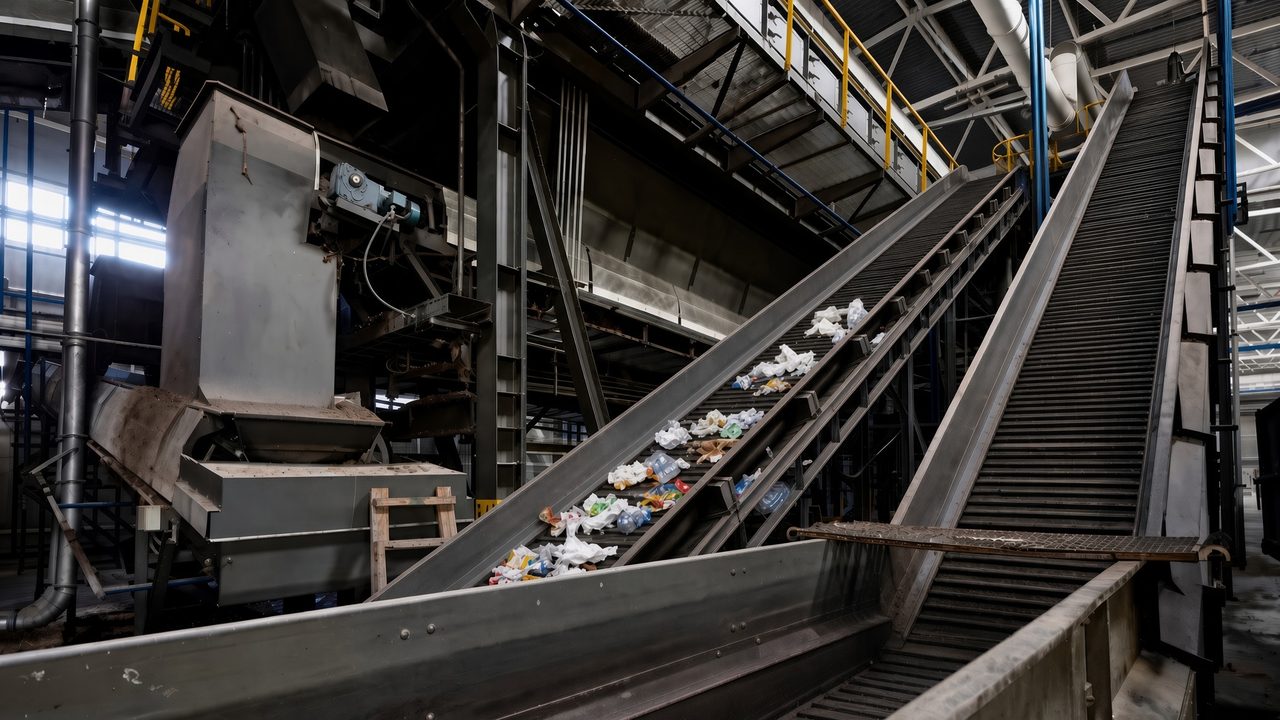
Conveyors & heat-critical operations
Heat starts days before smoke.
Belt friction and seized bearings start slow: a section running hot for days before anyone smells anything. IHTC runs the length of the line and reads belt and bearing temperature continuously, with exact location, so overheating can be addressed as a maintenance item. Every section's history is logged for reliability analysis and for the documentation your property insurer likes to see at renewal.
Waste & recycling facilities. Most facility fires start where no camera can look — inside belly pans, balers, and enclosed processing lines. The sensing cable threads through exactly those spaces, keeps reading temperature, and alerts you while the problem is still removable.
Cold-storage warehouses. Freezers defeat ordinary monitoring: wireless signals die inside metal-panel rooms and batteries quit in the cold. IHTC is wired, rated to –22 °F (–30 °C), and reads compressor rooms, panel runs, and freezer zones continuously.
Data-center & electrical infrastructure
Your annual IR scan, running every few seconds.
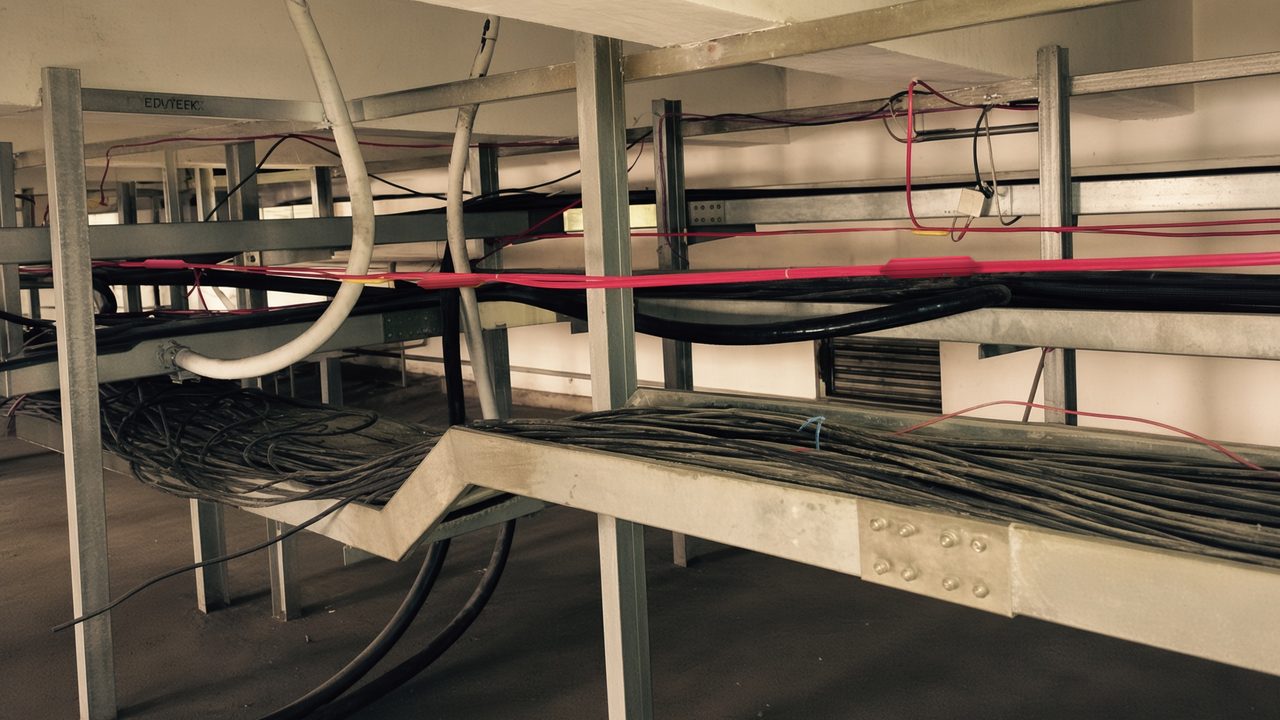
You IR-scan the electrical rooms once a year: a single photograph of a continuous risk. IHTC is that scan running every few seconds — per-section surface temperatures of trays, busways, termination fields, and electrical and battery rooms, streamed over Modbus into your DCIM or BMS. And it covers what a camera never will: under raised floors, inside stacked tray tiers, behind cabinet rows — the places the power path actually lives. That record is what makes maintenance condition-based rather than calendar-based, from fit-out and commissioning onward.
Also applied to: transformers and large equipment · utility and cable tunnels.
Prove it in 60–90 days.
The Evaluation Kit is a fixed-fee pilot on one application: hardware, commissioning, tuned alert thresholds, temporary monitoring for the pilot period, and an insurer-ready thermal report. The full fee credits toward a deployment, and you keep your data.